
Buying A Used Car ? Don’t Skip the Accident History Checklist!
Buying A Used Car ? Don’t Skip the Accident History Checklist!
Posted on March 26, 2026
Shopping for a used car in Calgary, AB can be exciting, especially when you find something that fits your budget and lifestyle. But beyond the price, mileage, and features, there’s one factor that can make or break your decision, the accident history. Many vehicles on the market may look perfectly fine on the surface, yet hide past damage that could affect performance, safety, and long-term value. That’s why taking the time to properly review a vehicle’s history is one of the smartest steps you can take. If you want to buy with confidence in 2026, this simple checklist will help you avoid costly surprises and make a well-informed choice.
1. Start with a Full Vehicle History Report
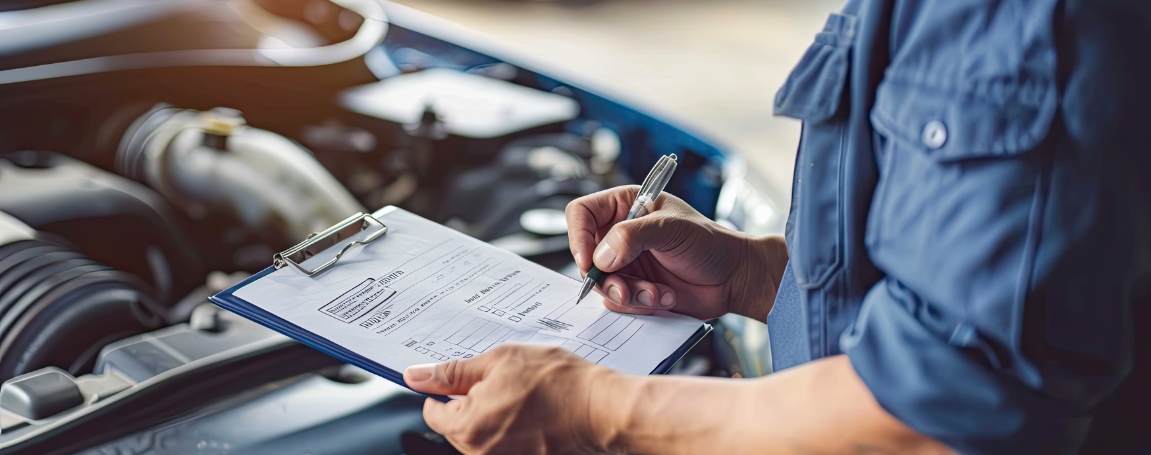
Before anything else, always request a complete vehicle history report. This document gives you a detailed overview of past accidents, insurance claims, and ownership records. It helps you understand whether the car has been involved in minor incidents or more serious collisions. Even if the vehicle looks great during a quick inspection, the history report can reveal issues that aren’t visible right away. It’s your first line of defence when narrowing down safe and reliable options.
2. Look Beyond “Accident-Free” Claims
It’s common to see listings that claim a vehicle is accident-free, but it’s important not to rely on that statement alone. Not all incidents are reported the same way, and some minor repairs may not appear clearly without proper documentation. Instead of taking claims at face value, cross-check details through verified reports and service records. This extra step ensures you’re getting accurate information rather than relying on assumptions that could lead to unexpected repairs later.
3. Check the Severity of Reported Damage
Not all accidents are equal, and understanding the severity of damage is key. A small cosmetic repair is very different from structural damage that affects the frame. When reviewing a report, pay attention to terms that indicate how serious the incident was and whether major components were impacted. Structural repairs can influence how the vehicle drives and handles over time, so knowing the difference helps you decide if the car still meets your expectations.
4. Inspect Repair Records Carefully
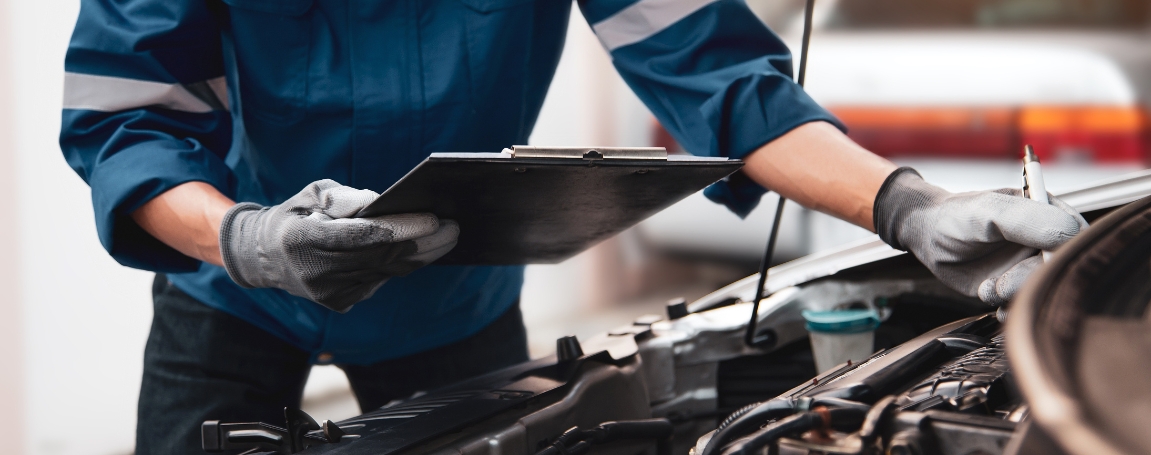
If a vehicle has been in an accident, the quality of repairs matters just as much as the damage itself. Look for detailed repair records that show what was fixed and where the work was done. Professional repairs completed by certified technicians can restore a vehicle to proper condition, while incomplete or low-quality work may lead to ongoing issues. Having clear documentation gives you confidence that the vehicle has been properly restored and is safe to drive.
5. Watch for Signs During a Physical Inspection
Even with paperwork in hand, a physical inspection is still essential. Look for uneven paint, misaligned panels, or gaps between body parts, as these can indicate past repairs. Inside the vehicle, check that everything feels solid and functions as expected. A short test drive can also reveal unusual noises or handling issues. These real-world checks help confirm whether the vehicle’s current condition matches what’s shown in its history.
6. Pay Attention to Safety System Integrity
Modern vehicles are equipped with advanced safety features designed to protect you on the road. After an accident, these systems need to be properly recalibrated to function correctly. When reviewing a used car, ensure that key safety components are working as intended and haven’t been compromised. This includes systems that assist with braking, stability, and overall driving confidence. A well-maintained vehicle should feel secure and responsive, especially in changing road conditions around Calgary.
7. Understand How History Affects Value
Accident history doesn’t just impact condition, it also affects resale value. Vehicles with a clean record typically command higher prices, while those with past damage may be priced lower. This isn’t necessarily a bad thing, but it’s important to understand what you’re paying for. If a car has been repaired properly and priced accordingly, it could still be a good option. The key is making sure the value matches the history so you’re not overpaying.
8. Consider Insurance and Future Costs

Another important factor is how accident history can influence insurance and long-term ownership costs. Some vehicles with past damage may carry higher insurance premiums or lower coverage flexibility. Additionally, hidden issues from previous repairs can lead to unexpected maintenance down the road. Thinking ahead about these factors helps you avoid surprises and ensures the vehicle fits comfortably within your budget beyond the purchase price.
9. Get a Professional Opinion Before You Decide
If you’re ever unsure, bringing in a trusted mechanic for a pre-purchase inspection is a smart move. A professional can identify potential concerns that may not be obvious during a basic check. They can also confirm whether past repairs were done properly and if the vehicle is in good mechanical condition overall. This added layer of confidence can make a big difference when finalizing your decision.
DriveCalgary Makes Used Car Buying Easier
Finding the right used car doesn’t have to be stressful, especially when you have the right support. At DriveCalgary in Calgary, AB, every vehicle is carefully selected to meet quality and reliability standards, giving you added peace of mind. Whether you’re upgrading your current ride or buying your first car, the team at DriveCalgary is here to help you make a confident, informed choice with full transparency every step of the way.